The Confederate Wars — 1640s
One important figure was Conor Cron O'Dea.
He supported the Irish Confederates and participated in the successful siege of Ballyalla Castle in 1642.
This placed Dysert firmly within the wider military and political struggle between:
-
Gaelic Irish families
-
Old English Catholic families
-
the Confederate government
-
English Parliamentarian forces
-
Royalist forces
The consequences for the O'Dea family would ultimately be catastrophic.
Cromwellian conquest — 1651
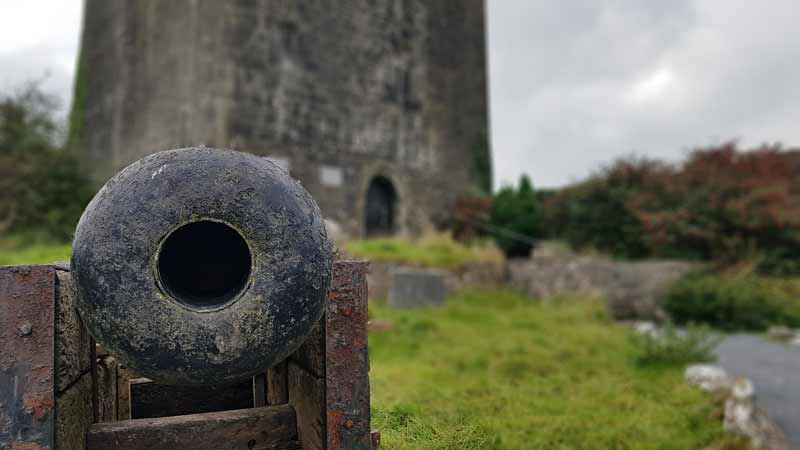
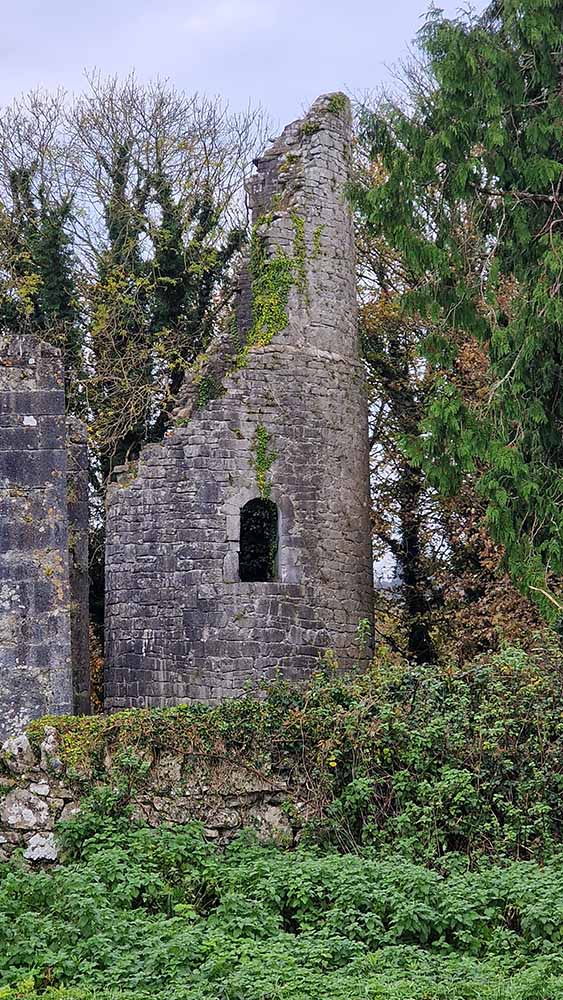
The castle's own historical account records that the uppermost floors and staircase were badly damaged by Cromwellian forces in 1651.
The Cromwellian campaigns in Ireland were accompanied by widespread military destruction and the confiscation of land from families considered to have opposed Parliamentarian rule.
For a fortified Gaelic residence, damage to the staircase was particularly serious.
The staircase was the principal means of moving between floors. If it was destroyed or rendered unusable, the upper chambers became inaccessible.
Damage to the upper floors would also have exposed the internal structure to the weather. Roof failure could lead to the deterioration of timber floors, furnishings and internal fittings.
The castle's decline was therefore not simply a matter of losing its military purpose. Damage to its upper structure would have made it progressively less suitable for occupation.
The loss of the original interior
Likely losses include:
-
Timber floors and ceiling structures.
-
Original doors and door fittings.
-
Furniture and household possessions.
-
Wooden stair fittings and railings.
-
Roof timbers and coverings.
-
Original furnishings in the principal chambers.
-
Some internal plasterwork and decorative finishes.
These losses are typical of abandoned tower houses, but it is important to distinguish what is generally likely from what has been individually documented at Dysert.
The surviving stonework provides much of the evidence for the building's original arrangement.
1683: the O’Deas and the restoration of the cross
Even after the castle had suffered damage and the family had experienced changes in ownership, the O’Deas continued to maintain connections with Dysert.
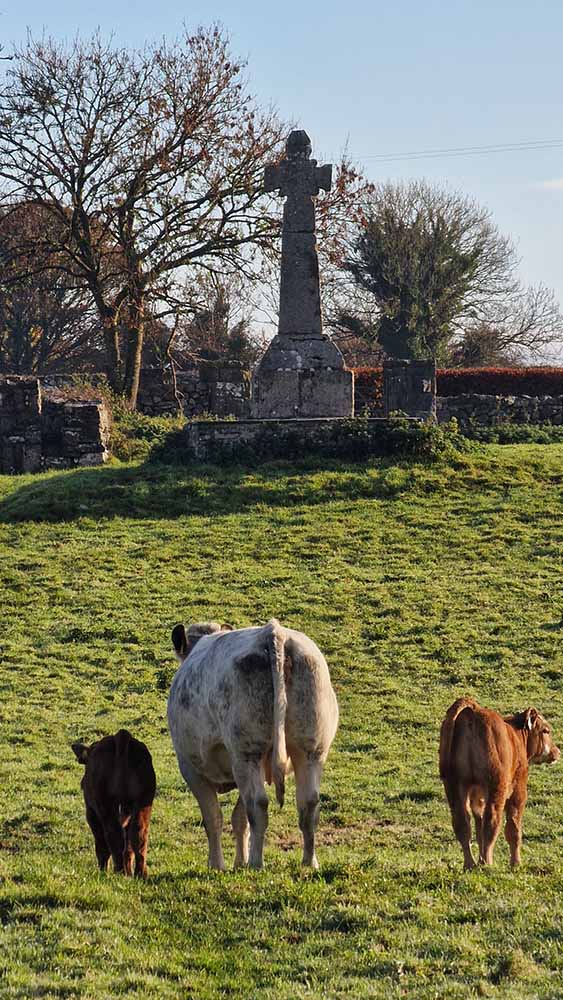
In 1683, Michael O’Dea, son of Conor Crone O’Dea, repaired St Tola’s High Cross. The inscription recording the repair survives on the cross's pedestal.
The following year, in 1684, Michael also erected a family tomb within the church, commemorating his wife Joan O’Dea, née Butler.
This is an important reminder that the O’Dea family's relationship with Dysert continued beyond the period when the castle was functioning as a medieval stronghold.
under Charles II
The Cromwellian period did not permanently end O'Dea involvement.Following the Restoration of Charles II, Conor Cron O'Dea regained the castle.
However, the political landscape had changed permanently. The old Gaelic aristocracy was increasingly being dispossessed and replaced by Protestant landowners. Conor's sons Michael and James O'Dea subsequently supported James II during the Williamite conflict.
The O'Deas therefore found themselves on the losing side again.
-the final loss of the O'Dea estate
The defeat of James II and the conclusion of the Williamite War in Ireland marked the final end of the O'Deas as the dominant landowning family at Dysert.
The Treaty of Limerick in 1691 was followed by extensive changes in land ownership.
The O'Dea lands were ultimately lost, and the estate passed to the Synge family.
This is the point at which Dysert moves from being primarily an O'Dea Gaelic lordship into the world of the Protestant landed estate.
The O'Dea Clan Association describes the period after the Flight of the Wild Geese in 1691 as one in which much of the property of the old Gaelic landowners passed into Protestant ownership.