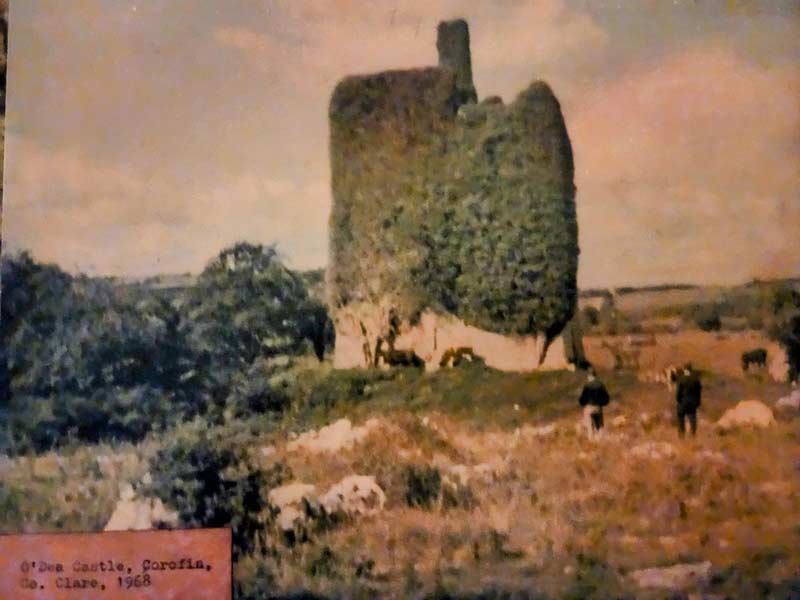
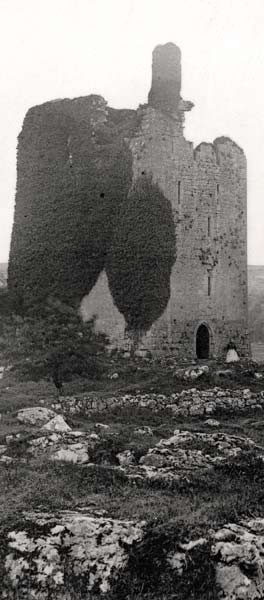
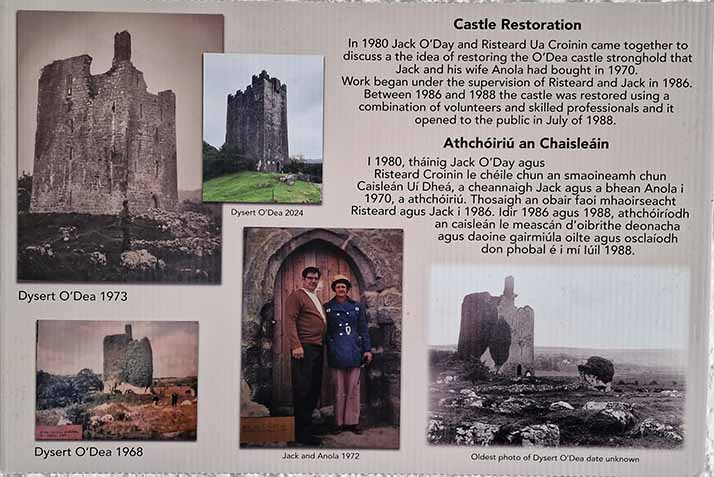
"Here is an old castle."
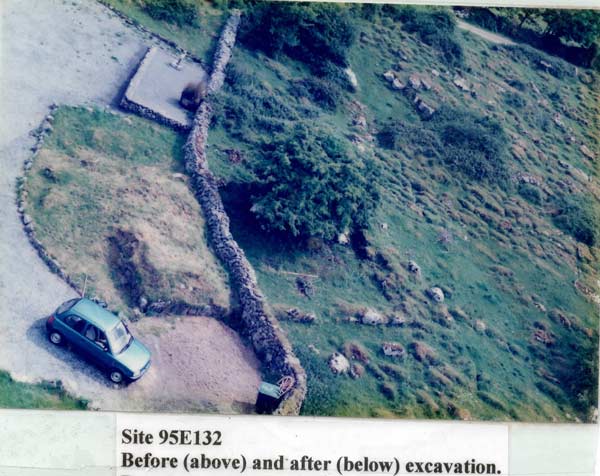
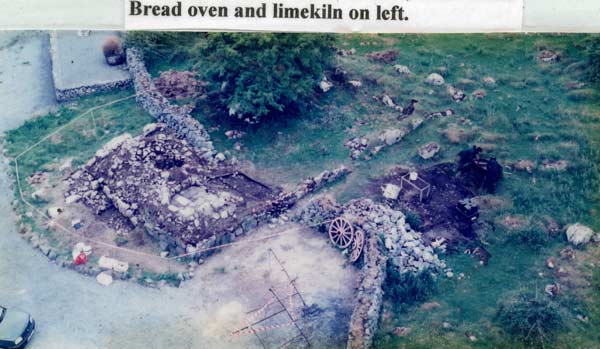
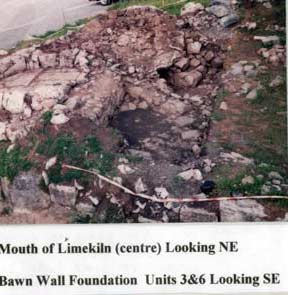
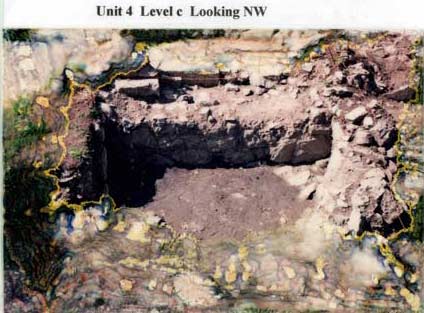
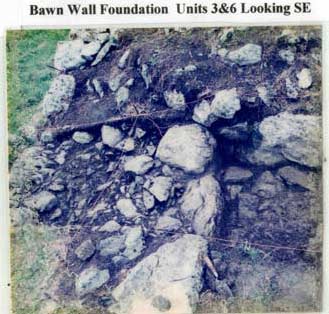
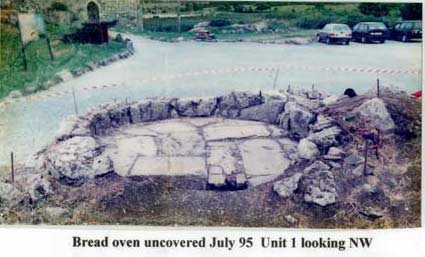
It allows researchers to investigate how people actually lived there.
Evidence from the site can potentially illuminate:
-
food preparation
-
domestic life
-
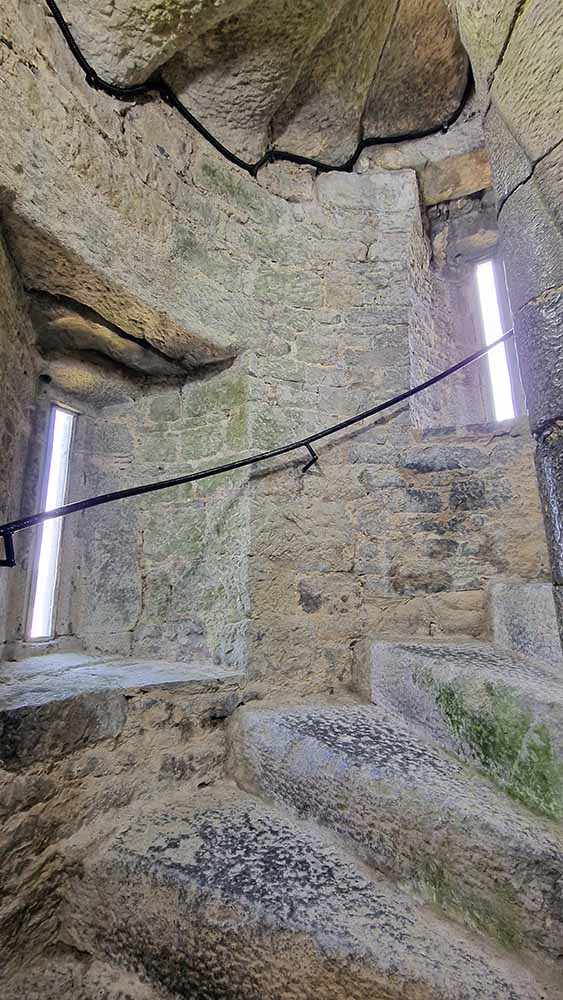
construction
-
craft activity
-
diet
-
social hierarchy
-
occupation
-
relationships between the castle and surrounding settlement
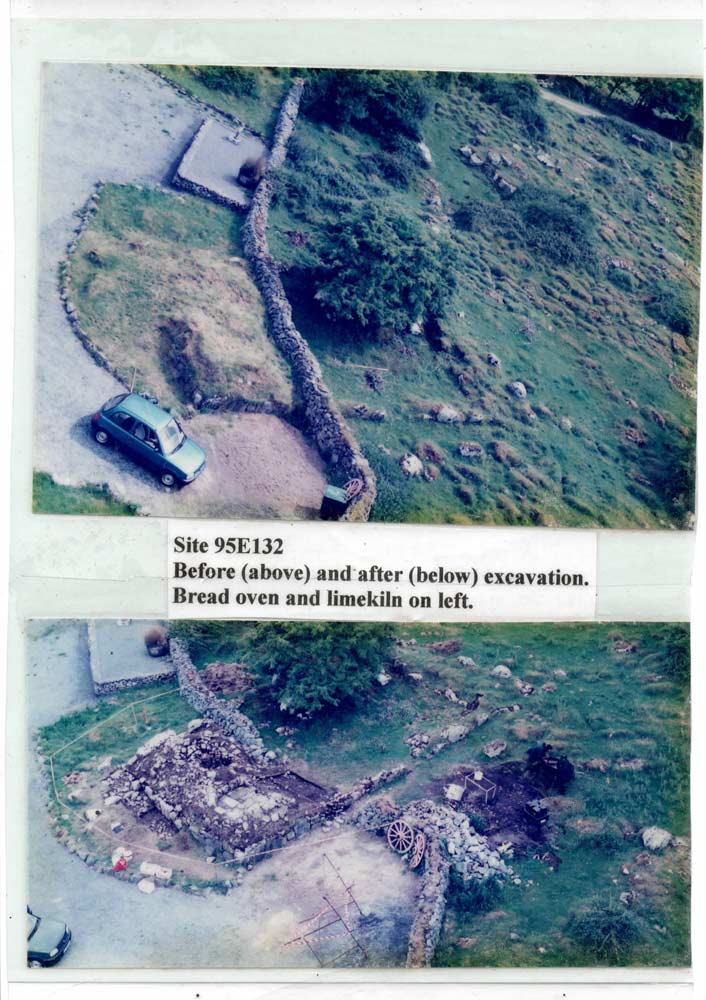
The archaeological landscape around the castle
The castle isn't an isolated monument.
It sits inside a multi-period archaeological landscape.
The official trail identifies approximately 25 monuments.
Prehistoric
Prehistoric
fulachta fiadh
prehistoric settlement evidence
ancient field/fort structures
Early medieval
Early medieval
St Tola's Christian foundation
holy well
early ecclesiastical activity
round tower
Medieval
Medieval
church
Romanesque doorway
High Cross
graveyard
medieval houses
stone forts
earthen forts
ancient roads
Late medieval
Late medieval
O'Dea Castle
Rath Castle
other tower houses
Post-medieval
Post-medieval
Synge's Lodge
landlord structures
schools
roads and later estate features