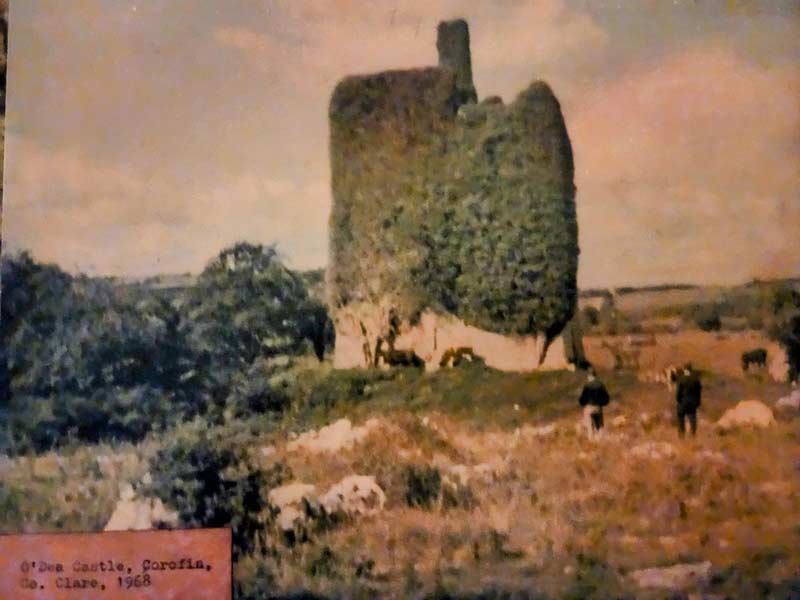
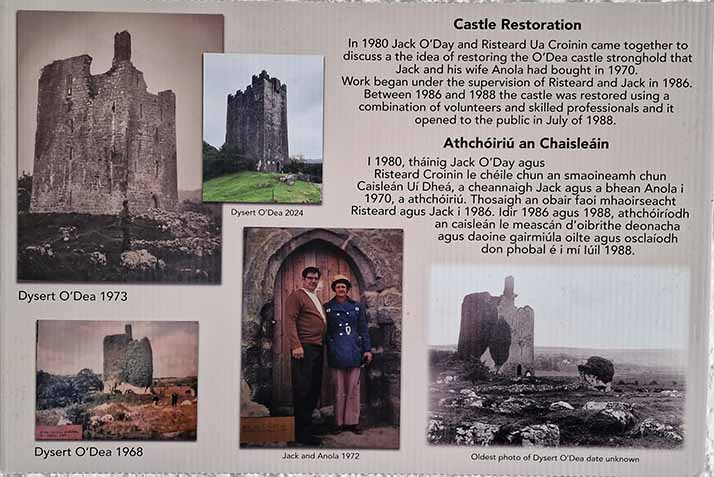
A later archaeological assessment records the restoration as 1987. These dates probably reflect different stages of the restoration and its formal completion.
-Why the restoration was important
Without intervention, the remaining walls and surviving architectural features would have continued to deteriorate.
The restoration helped preserve:
-
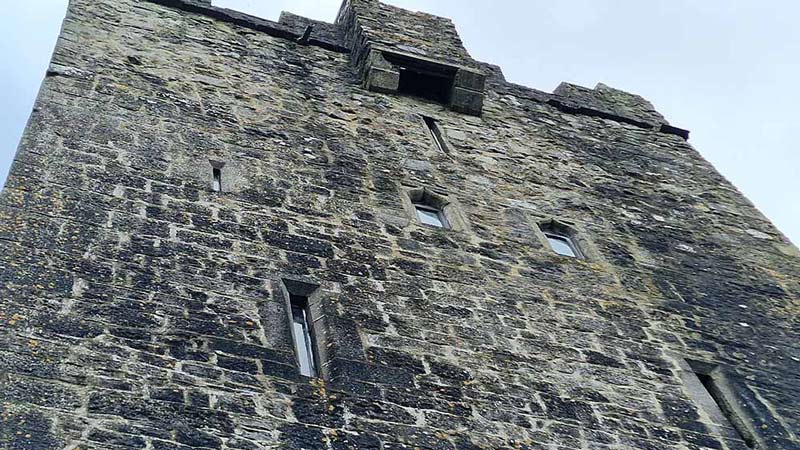
The substantial limestone walls.
-
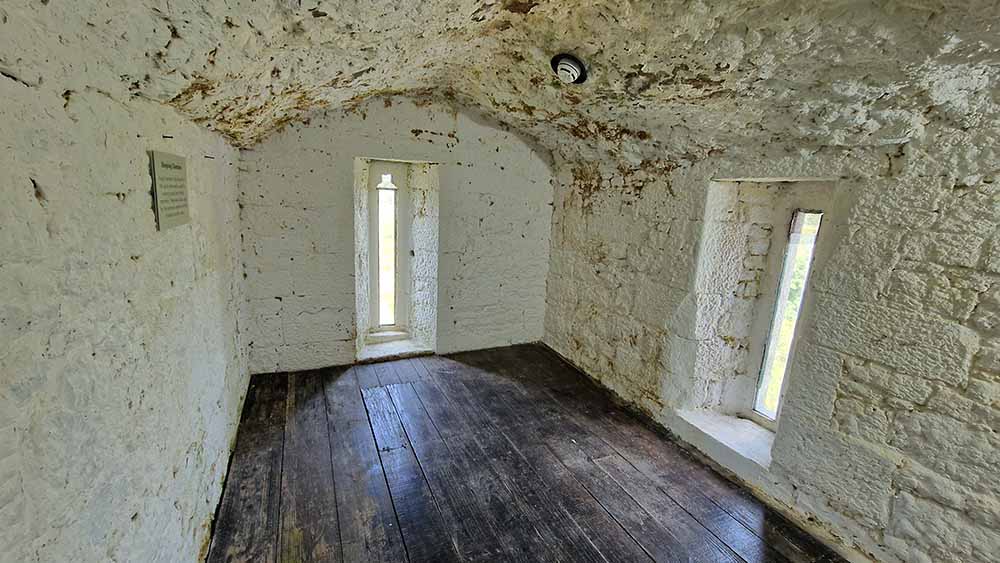
The surviving vaulted structures.
-
The staircase and upper levels.
-
The internal chambers.
-
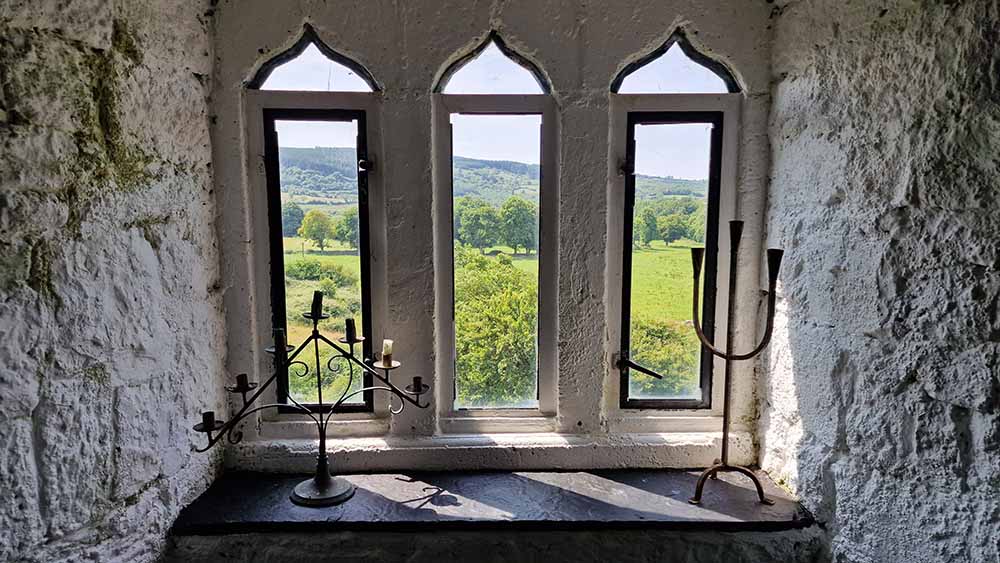
The fireplaces and architectural details.
-
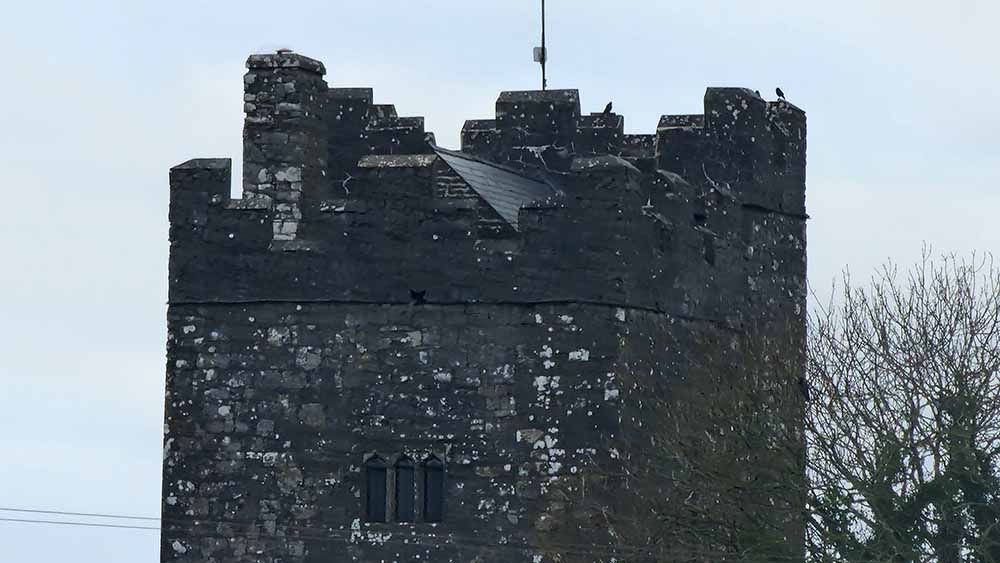
The roof-level access and defensive features.
The restoration period lasted roughly 12 years.
The result is the castle you see today. The official castle history describes it as an "authentically restored" 15th-century castle, while archaeological sources classify it more precisely as a late-medieval tower house.
That distinction is worth preserving:
"Castle" is the traditional/popular name.
"Tower house" is the more accurate archaeological classification.
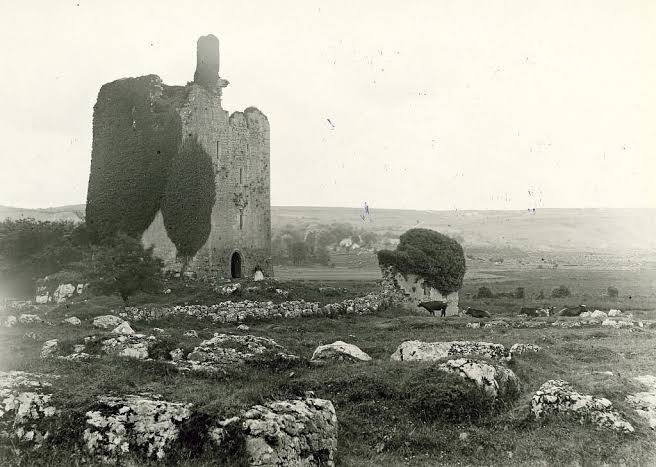
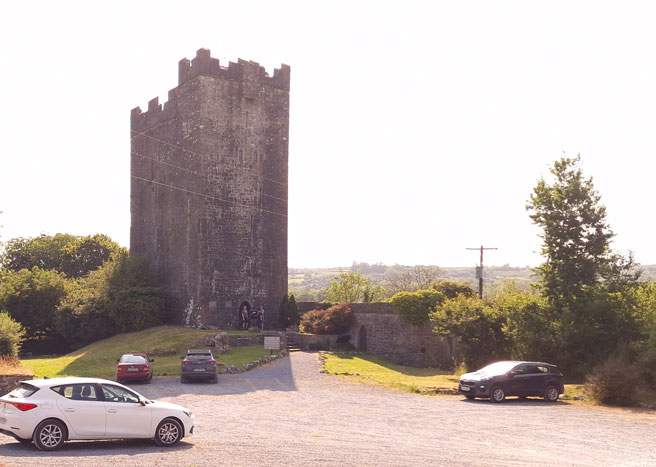
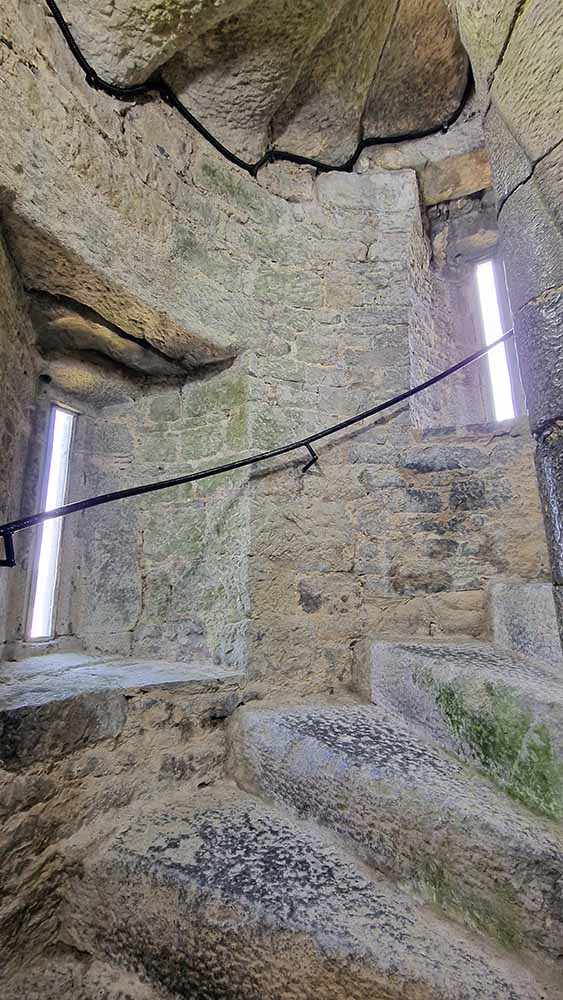
The intention was to reconstruct the tower as authentically as possible, retaining surviving medieval fabric and recreating lost elements where sufficient evidence existed.
The restoration included work on:
-
floors
-
staircase
-
upper levels
-
battlements
-
roof
-
internal rooms
-
defensive features
-
access
-
structural stability


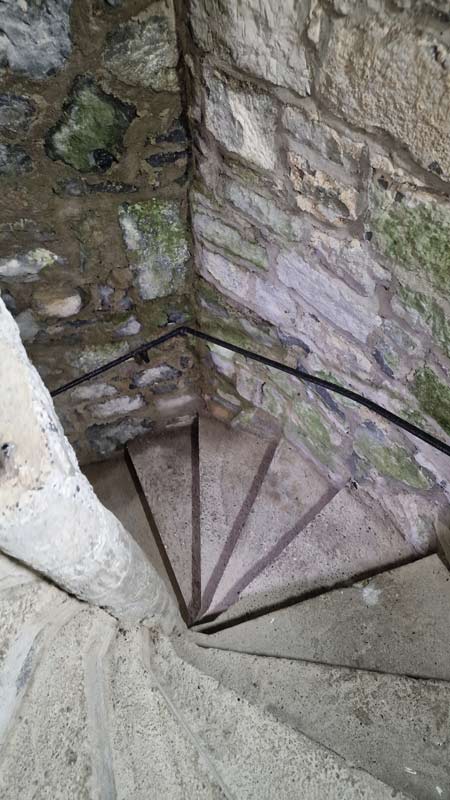
This distinction is particularly important when creating historical visualisations. A reconstruction should differentiate between original surviving fabric and modern restoration.