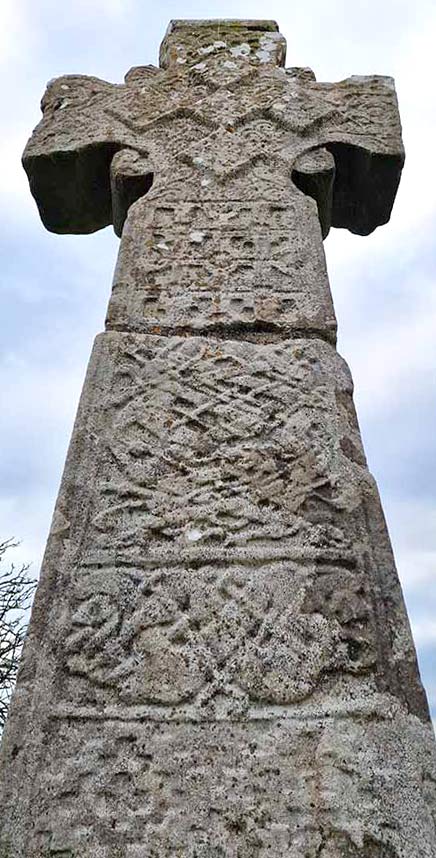
Before the castle
— the world of St. Tola
The most important thing to understand about Dysert O'Dea is that the castle was not the beginning of the settlement.
The religious settlement at Dysert is several centuries older.
Archaeological work at the castle site has identified evidence of human activity extending back to the Neolithic and Bronze Age. The area also contains evidence of early agricultural and food-processing activity, including fulachtaí fia — prehistoric cooking sites — and other remains of earlier settlement. The limestone outcrop on which the castle stands was therefore part of an established, inhabited landscape.
The name Dysert comes from the Irish dísert, meaning a hermitage or secluded/solitary place. It became associated with St Tola, an early Irish saint who established a Christian foundation here in the 8th century.
St Tola is generally dated to the first half of the 8th century, with his death traditionally placed around 733–737. The site consequently had religious importance long before the O'Deas constructed their tower house.
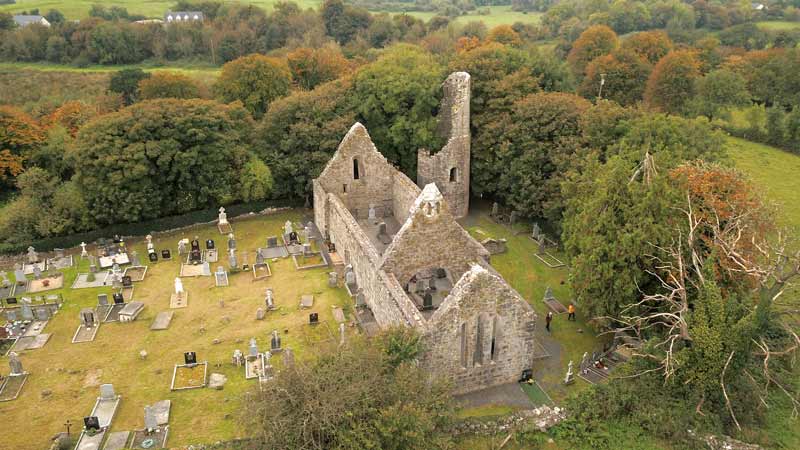
This early Christian foundation eventually developed into the medieval ecclesiastical settlement whose ruins can still be seen beside the castle.

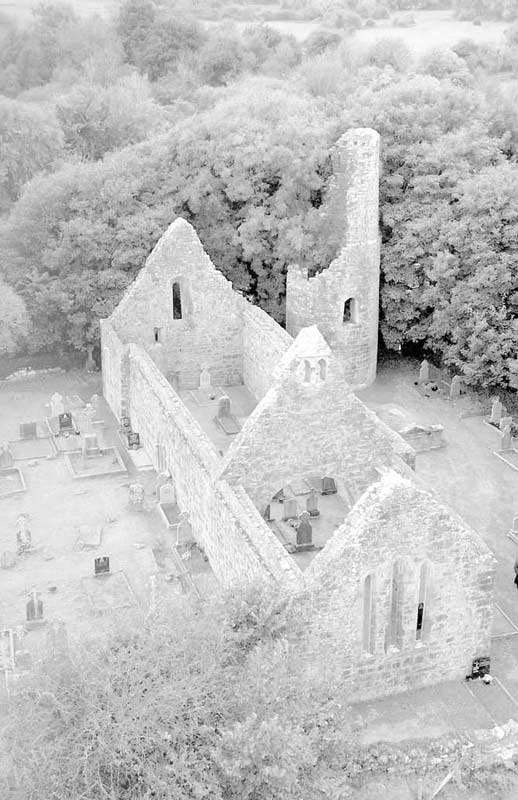
The surviving medieval landscape includes:
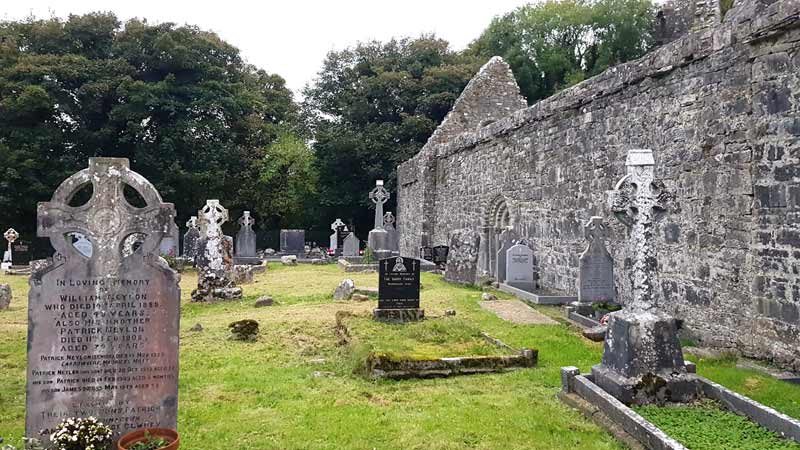
- the medieval church
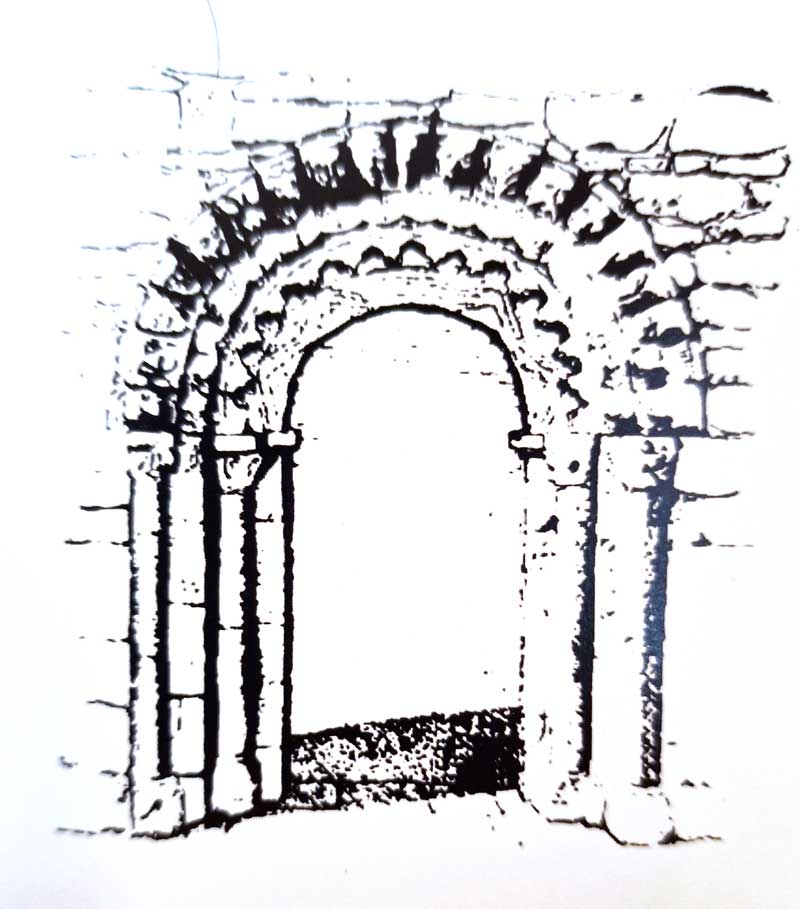
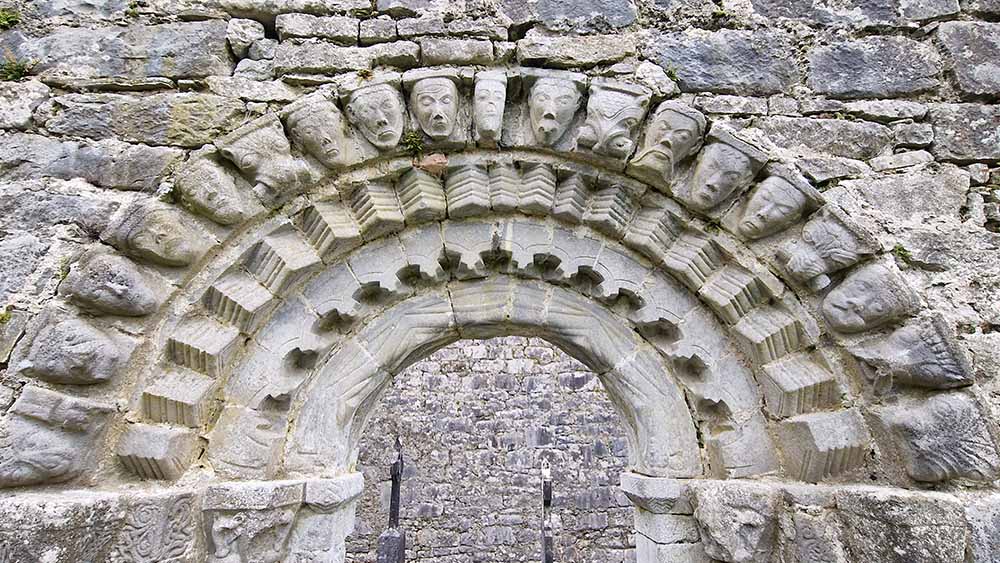
- the Romanesque doorway
- the remains of the round tower
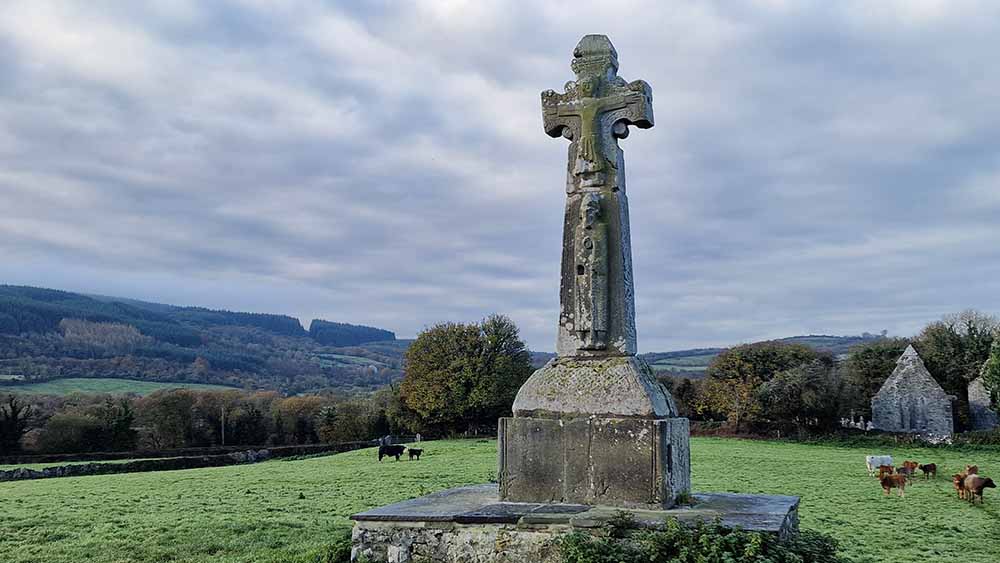
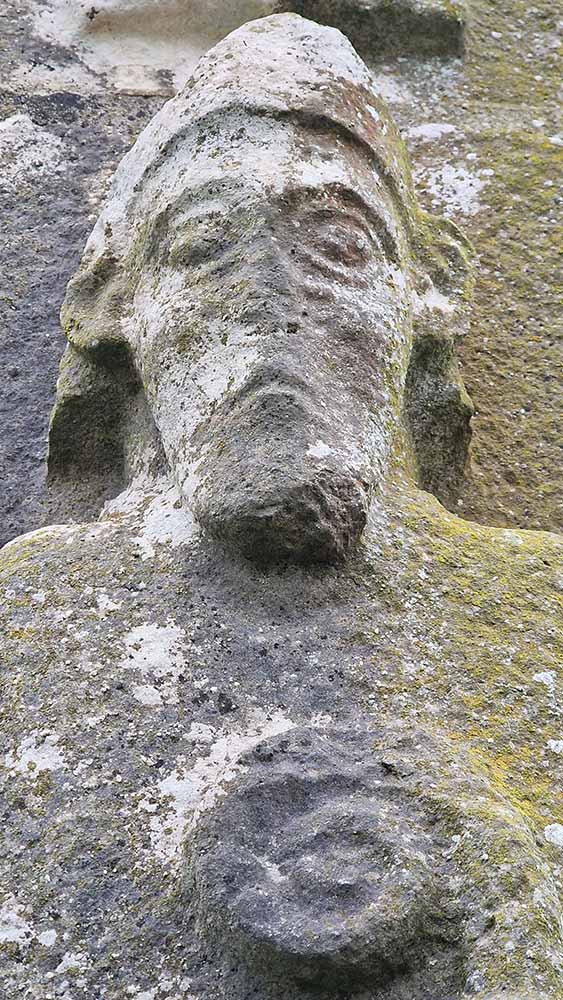
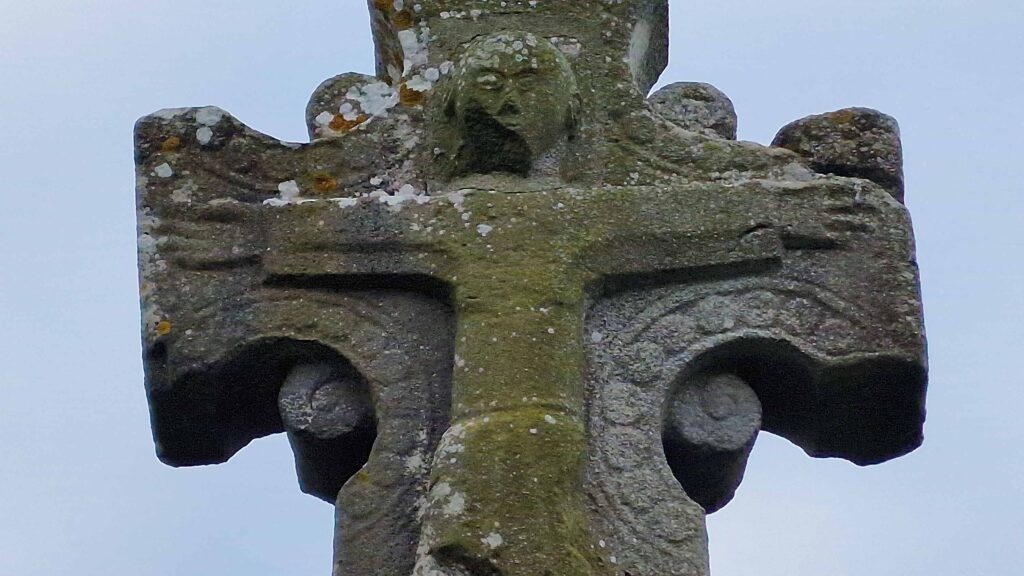
- St Tola's High Cross
- St Tola's Well
- medieval graveyard
- medieval houses
- ancient roads
- ringforts and stone forts
- fulachta fiadh
- later landlord and tenant structures
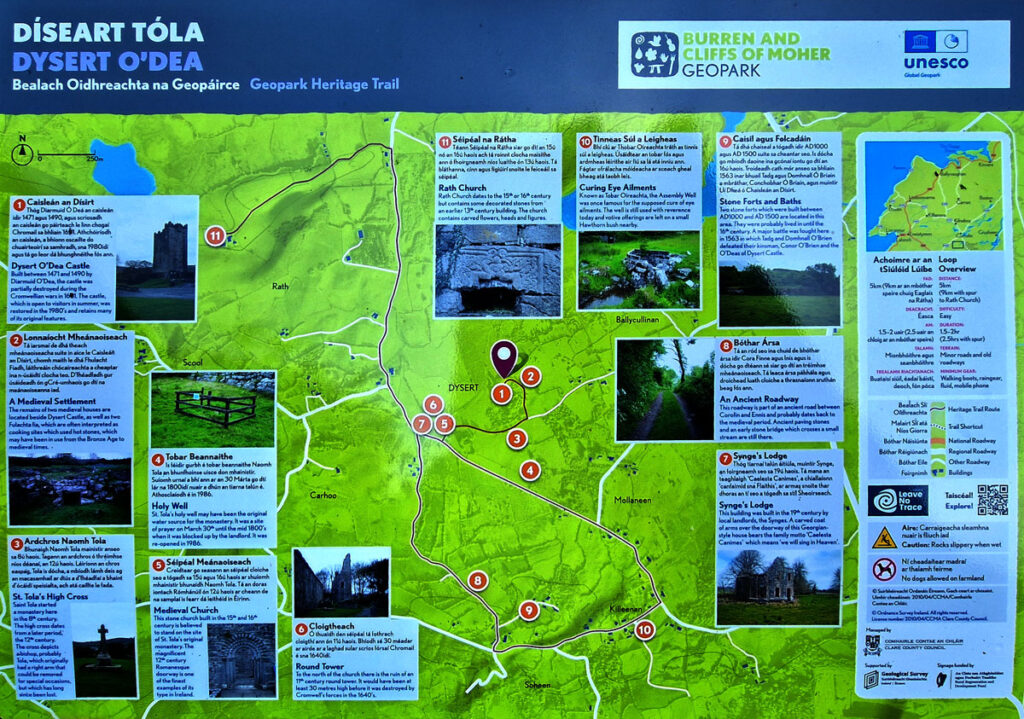
Map